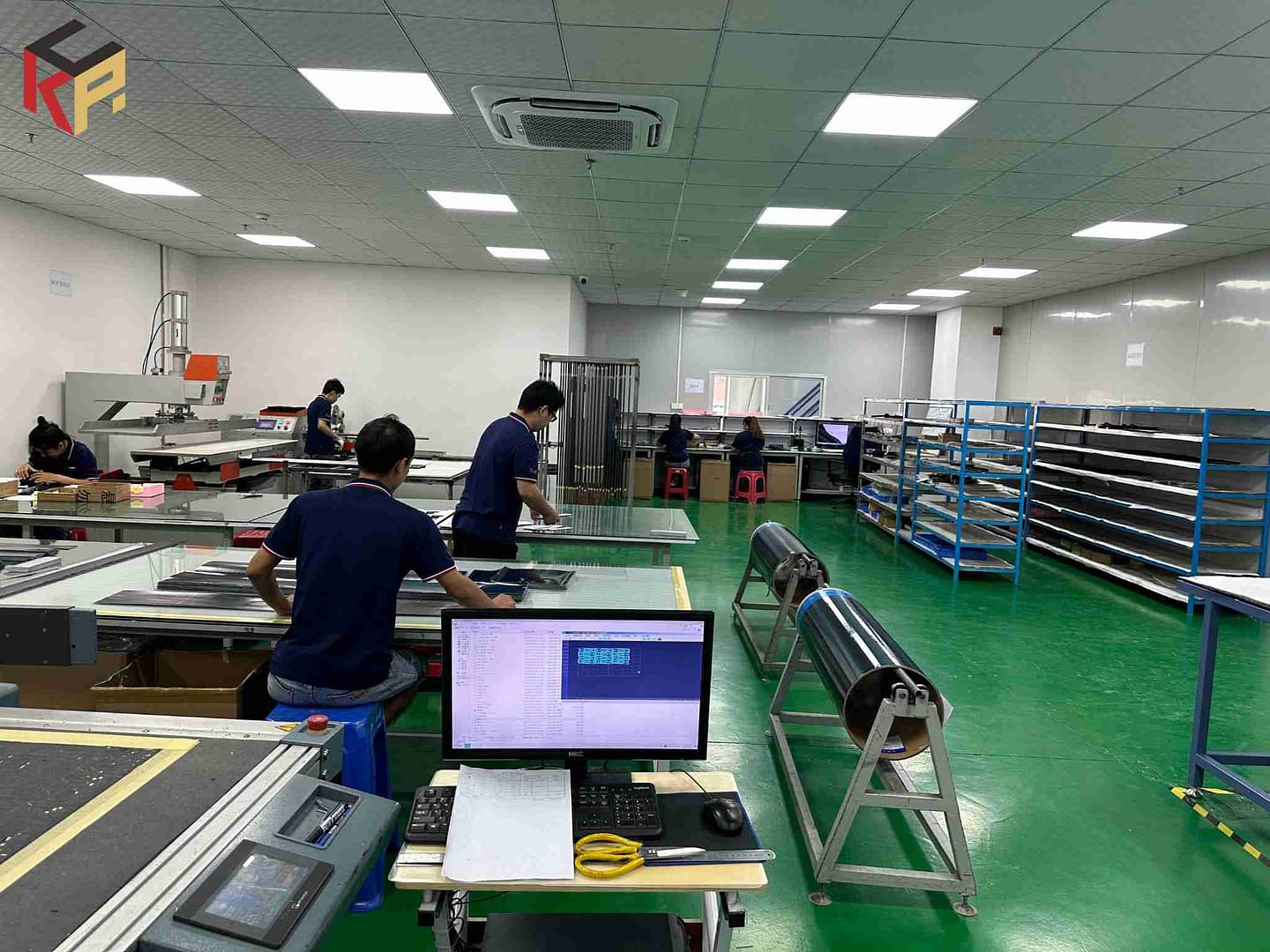
Considering industry preferred composites for trust carbon fiber tubes designed for low flex performance?

Light carbon fiber tubing offers exceptional load-bearing capacity per unit mass, perfect for applications needing toughness and lower weight
Formed by impregnating carbon fiber reinforcements with a structural resin matrix, these tubes become lightweight composite elements
Carefully arranged carbon filaments contribute outstanding tensile performance and stiffness, with the light resin minimizing mass
These property synergies permit the engineering of assemblies that deliver robustness without excessive weight
Carbon fiber tubes serve applications from aviation and automotive components to sports gear and medical tools
Applied in aircraft, these tubes cut weight in fuselages and wing structures, thereby improving fuel consumption and flight characteristics
Similarly, automotive applications employ carbon fiber tubing in suspension and chassis components to boost handling and reduce mass
Square-profile carbon fiber tubes crafted for consistent strength and assembly accuracy
In engineering fields that require minimal weight and maximum structural performance, square carbon fiber tubes excel
Precisely produced square tubes provide mechanical excellence alongside adaptable design capabilities
Formed by aligning carbon fibers and consolidating them with a structural resin, these square tubes present strong resistance to compression and tension loads
The inherent rigidity of square carbon fiber tubes supports dependable performance in structural integrity applications
Applied to aerospace, automotive chassis, and performance sport equipment, these square tubes deliver reliable behavior under severe loads
Low mass characteristics further improve fuel economy and boost system-level efficiency
- Additionally, precise dimensions enable seamless integration into assemblies and cut down on expensive manufacturing rework
- Therefore, these square tubes are now core materials in sectors aiming for innovation, efficiency and superior performance
Rectangular carbon fiber tubing crafted to precise shapes for enhanced performance
Thanks to its superior strength-to-weight characteristics and stiffness, carbon fiber is ideal for tough application requirements
In particular, rectangular and prismatic carbon fiber tubes achieve outstanding results due to their optimized geometries
Rectangular tubes can be engineered to precise dimensions to secure required load-bearing capacity and structural integrity
Fabricators are able to manufacture high-precision rectangular carbon fiber tubes for aerospace, sporting and industrial applications
Adaptability in design and production helps create solutions that maximize performance and enhance practical functionality
Advanced carbon fiber plates with outstanding stiffness and toughness
These plates exhibit remarkable rigidity, making them apt for high load-bearing scenarios
Carbon fiber plates composed of fibers in a resin matrix deliver exceptional protection against bending and deformation
Because carbon fibers can absorb and redistribute impact energy, plates gain high toughness and impact resistance
Next-generation composite assemblies using carbon fiber tubes and plates for superior outcomes
Advanced applications often choose CFRP tubes and plates for their high mechanical performance and favorable strength-to-weight balance
Their lightweight yet robust nature suits diverse uses, from aerospace and automotive sectors to sporting and specialized consumer products
Manufacturing advances let designers form complex carbon fiber shapes without losing stiffness or durability
Advances in manufacturing technology have reduced costs and improved scalability, accelerating adoption across sectors
Using carbon fiber tubes and plates delivers clear advantages over many traditional materials, such as higher strength and lower weight
Such composites resist corrosion and fatigue, enhancing durability and dependable service life in challenging environments
The unique performance of carbon fiber composites advances material science and shapes emerging engineering solutions
Surveying applications and deployments of carbon fiber tubes and plates
Robust carbon fiber tubes and plates have earned widespread traction and recognition in a variety of sectors
Their exceptional mechanical performance and favorable strength-to-weight ratio allow diverse practical applications
Commonly applied within aerospace, automotive and construction, they serve as structural components demanding reliable strength and durability
Equipment for sports such as cycling and golf often employs carbon fiber plates and tubes to raise performance levels
Additionally, medical uses include prosthetic limbs, surgical instruments and orthotics made from carbon fiber composites
Weight reduction techniques using carbon fiber tubes and plate technologies
Carbon fiber allows design of much lighter components while retaining essential strength and stiffness characteristics
Applications requiring very stiff yet lightweight tubes, such as bike frames and turbine blades, frequently use carbon fiber tubing
Meanwhile plates supply robustness and stiffness for structural parts in aircraft and spacecraft where load-bearing and dimensional stability matter
Advances in material science revealing new possibilities for carbon fiber
This material is recognized as a breakthrough for its exceptional strength and durable performance
Thin carbon filaments embedded in a resin matrix generate the unique mix of lightness and strength found in carbon fiber composites
Growing aerospace and automotive use reflects the benefits of reduced mass for fuel economy and vehicle/aircraft performance
Vehicle manufacturers use carbon fiber in structural parts to lower weight while increasing strength, improving handling and occupant safety
Carbon fiber-based structures provide versatile performance from aviation to automotive and beyond
These composites revolutionize industries such as aerospace and automotive through superior strength-to-weight performance
Lightweight composites support the development of high-performing and fuel-efficient aircraft and vehicles with good durability
Vehicle designers use carbon fiber for panels, chassis reinforcements and framed components to lower overall weight and improve performance
Carbon fiber tubes and plates are at the forefront of engineering innovation
Their ability to combine high strength with low weight has reshaped engineering in many industries
In fields demanding performance and weight reduction—such as aerospace, automotive and healthcare—carbon fiber components are commonly used
In aerospace applications they contribute to reduced fuel consumption and enhanced aerodynamic performance
Automotive use of carbon fiber helps decrease mass, resulting in better acceleration, handling and overall vehicle efficiency
- Optimally using carbon fiber needs insight into material response, production limitations and design balance choices Optimally using carbon fiber needs insight into material response, production limitations and design balance choices Successful implementation requires knowledge of carbon fiber behavior, fabrication methods and necessary design compromises Leveraging it successfully requires a carbon fiber poles detailed understanding of material behavior, fabrication constraints and design trade-offs
- A promising future lies ahead for carbon fiber tubes and plates with growing adoption and new applications
- Further research and innovation will enhance characteristics and expand where these materials can be applied
- Accordingly, carbon fiber’s importance in upcoming engineering and manufacturing applications is poised to increase
Harnessing carbon fiber for top performance: an in-depth guide
With superior strength-to-weight and stiffness, carbon fiber serves as a leading material for performance optimization in many applications
This guide explores carbon fiber properties, applications and practical integration methods to help you use it effectively
The material’s versatility boosts performance in areas such as automotive, aerospace, sports and electronics
Leveraging it successfully requires a detailed understanding of material behavior, fabrication constraints and design trade-offs
Design tips for balancing weight, stiffness and cost when using carbon fiber.